top of page

Signature Destinations

A land of extraordinary contrast and depth, South Africa is one of the world’s most diverse destinations—both culturally and geographically.

Known as the Rainbow Nation, it blends vibrant cultures, 11 official languages, and a rich tapestry of history and modern life.


In Cape Town, world-class dining, striking coastal beauty, and a thriving art scene meet effortlessly. The nearby Cape Winelands offer some of the finest wine estates in the world, set against rolling mountain landscapes.

Beyond the cities, experience the energy of Soweto, the bustling Indian markets of Durban, and powerful historical landmarks such as Robben Island and the Apartheid Museum.

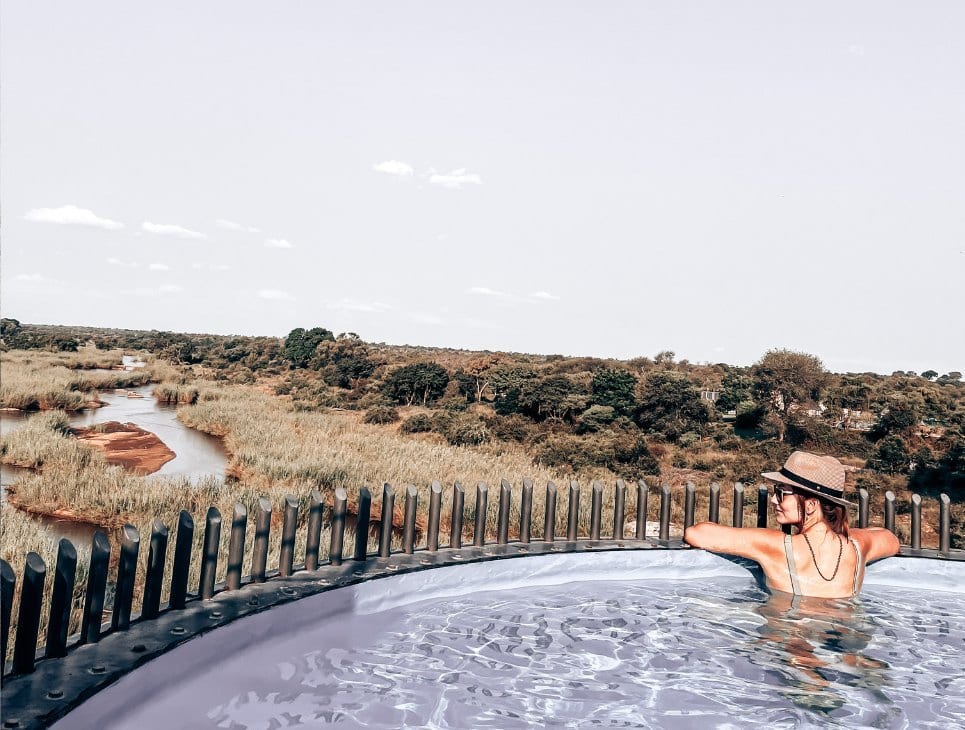
At its heart, South Africa remains wild and untamed. Iconic reserves like Kruger National Park offer unparalleled wildlife encounters across vast, unfenced wilderness.

It is this rare combination of culture, history, and raw natural beauty that makes South Africa one of Africa’s most compelling destinations.

A country of striking natural beauty, warm hospitality, and rich cultural heritage, Zimbabwe is re-emerging as one of Africa’s most compelling safari destinations.

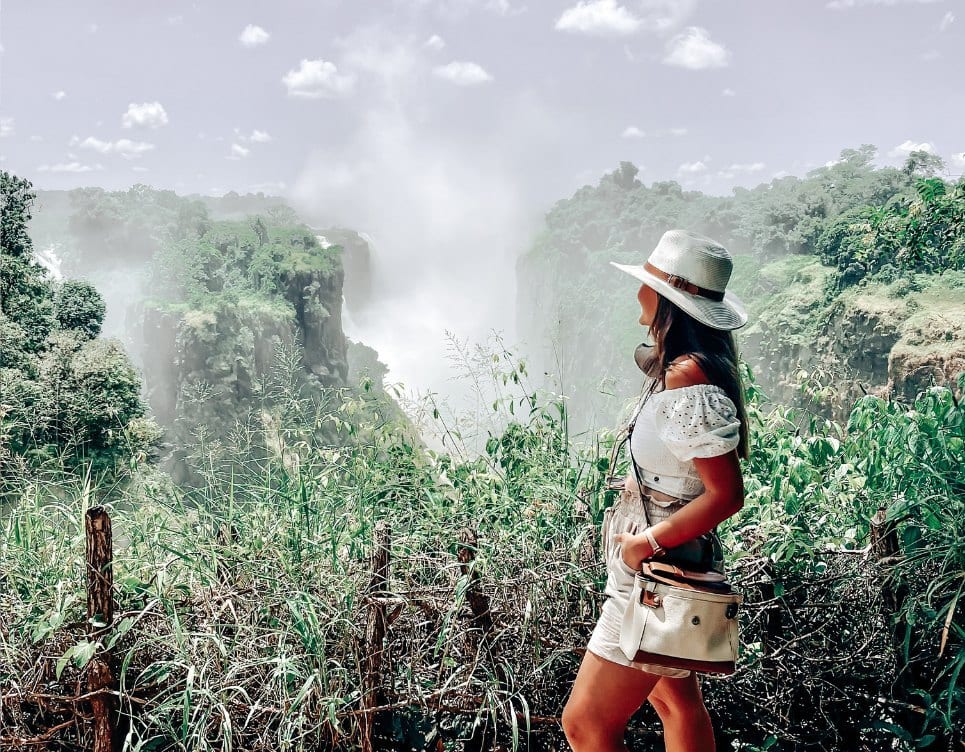
At its heart lies the legendary Victoria Falls—known locally as “The Smoke That Thunders” and recognised as one of the Seven Natural Wonders of the World. The sheer force of the Zambezi River as it plunges into the gorge is both powerful and unforgettable.

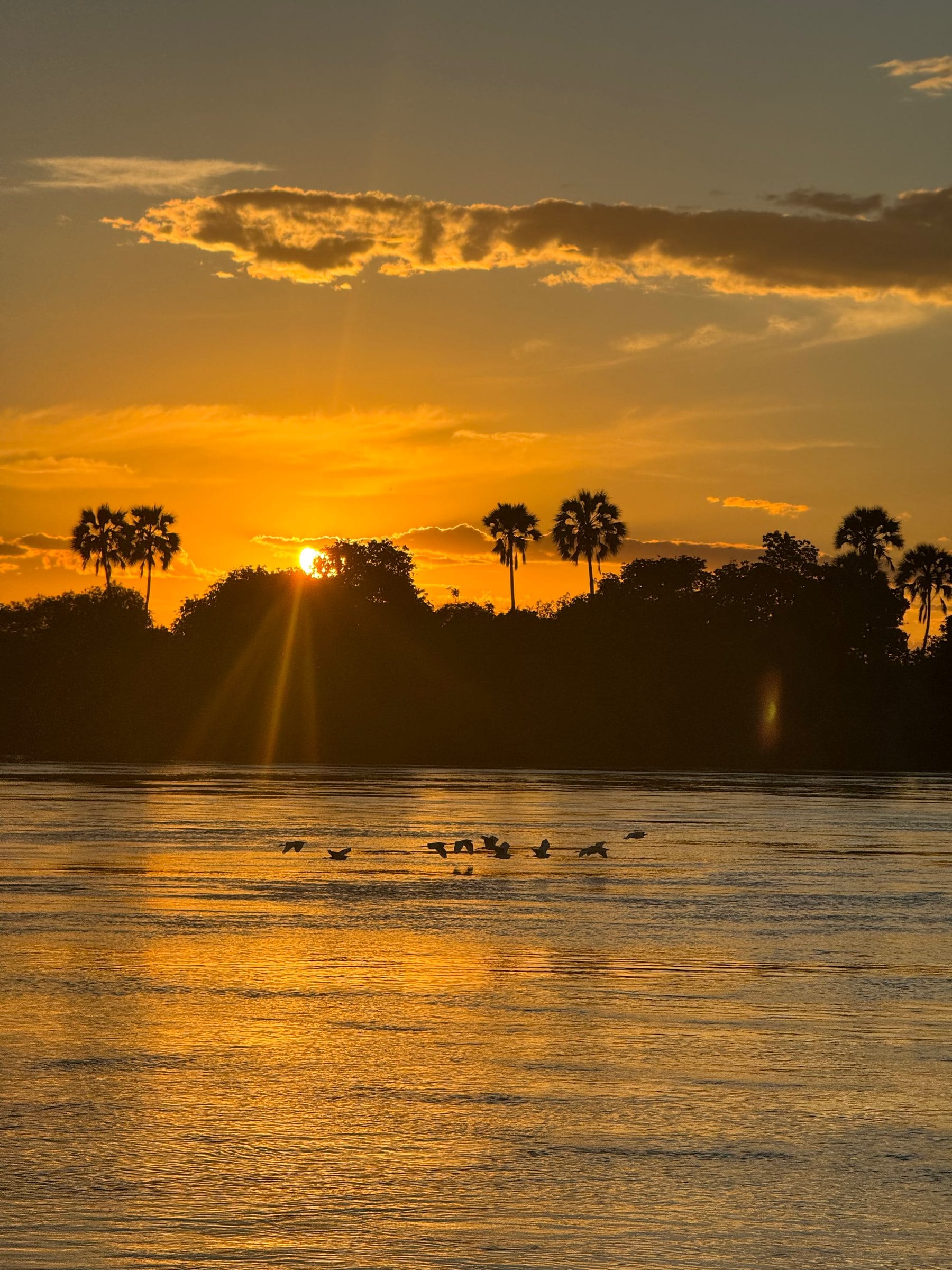
Further north, Lake Kariba offers a more tranquil wilderness experience, where game-rich shores, remote islands, and expansive sunsets define life on the water.

Hwange National Park is famed for its vast elephant herds and classic safari landscapes, while the remote beauty of Mana Pools National Park invites a more intimate, adventurous experience—where canoe safaris along the Zambezi bring you close to hippos, crocodiles, and an abundance of wildlife.

Zimbabwe is a destination defined by contrast: raw wilderness, timeless landscapes, and a sense of safari authenticity that feels increasingly rare.

Set in the southern reaches of Africa, Botswana is defined by vast, untouched wilderness and some of the most pristine safari landscapes on the continent.

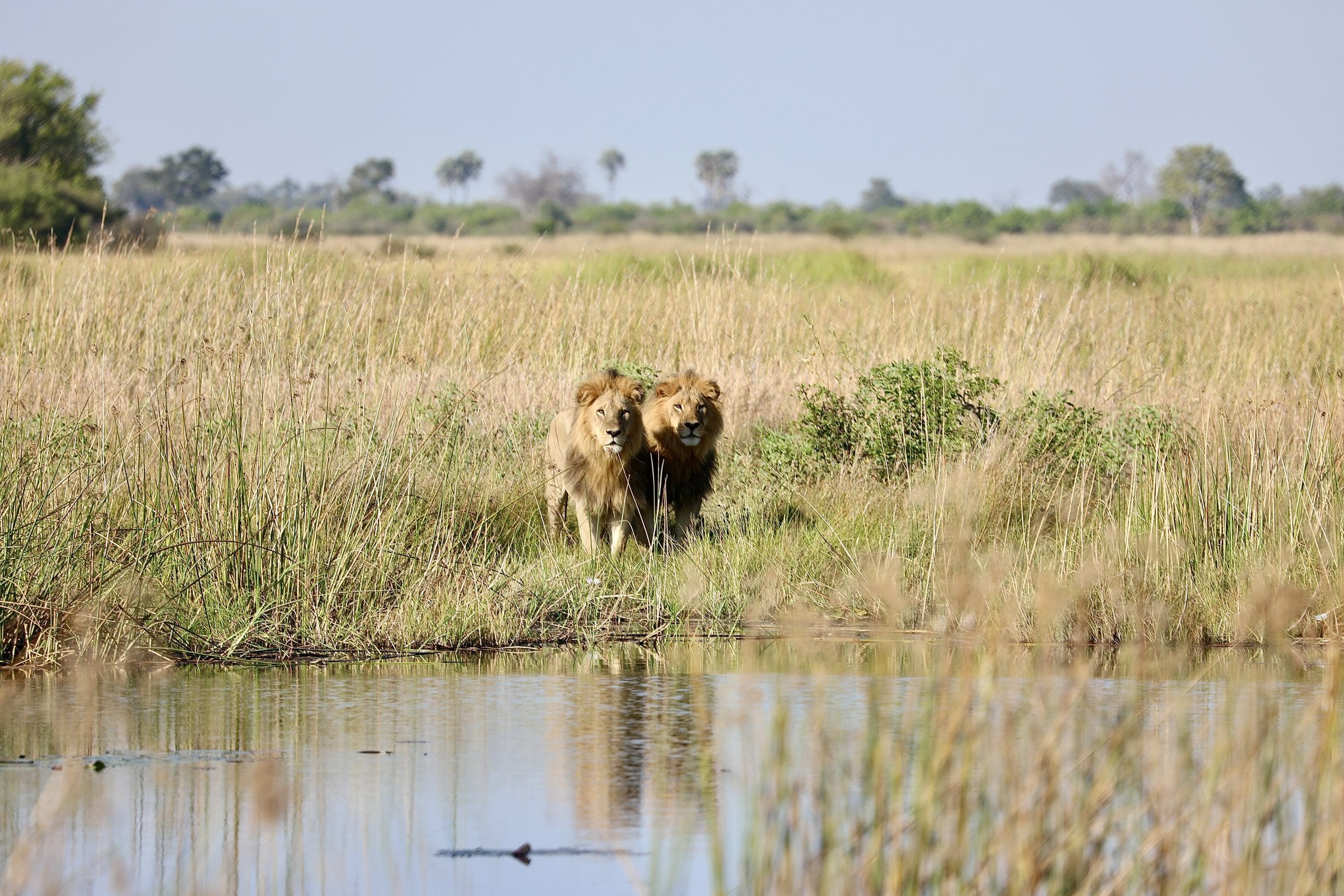
At its heart lies the extraordinary Okavango Delta—the world’s largest inland delta and a UNESCO World Heritage Site—where seasonal floodwaters transform the desert into a lush network of waterways, islands, and lagoons teeming with wildlife.

To the east, the dramatic expanse of the Kalahari Desert offers a striking contrast of red sands, open horizons, and adapted desert life, while the vast Makgadikgadi Pans reveal an otherworldly salt-flat landscape that, in the wet season, becomes a stage for one of Africa’s great zebra migrations.

Further north, the predator-rich Savuti is known for its powerful lion prides and dramatic wildlife encounters, while the ancient Tsodilo Hills hold thousands of rock paintings, offering a profound connection to human history spanning millennia.

Botswana is safari in its purest form—remote, refined, and deeply immersive, where nature remains entirely in command.

Zambia is one of Africa’s most authentic safari destinations—wild, remote, and defined by a deep sense of immersion in nature.

It is widely recognised as the birthplace of the walking safari, offering a style of exploration that is intimate, unfiltered, and guided by some of the most experienced trackers in Africa. The wilderness here is not viewed from a distance—it is experienced at ground level.

South Luangwa National Park is the country’s safari heartland, celebrated for its exceptional guiding, high density of wildlife, and sweeping oxbow lagoons that attract an abundance of game throughout the seasons. It is here that the walking safari tradition was pioneered, creating one of the most iconic safari experiences in Africa.

To the south, the remote beauty of Lower Zambezi National Park unfolds along the banks of the Zambezi River. Canoe safaris, boat-based game viewing, and classic drives take place in a landscape of floodplains and escarpments, where elephants move freely between river and wilderness.

Zambia offers a safari experience that feels raw, understated, and deeply connected to place—Africa in its most elemental form.

Namibia is a land of vast silence and striking contrast, where dramatic landscapes meet one of Africa’s most accessible and well-structured safari infrastructures.

Along the Atlantic coast, the historic port of Swakopmund reflects its colonial German heritage through distinctive architecture, coastal cafés, and a relaxed seaside atmosphere, while the capital Windhoek offers a blend of modern African life and cultural depth.

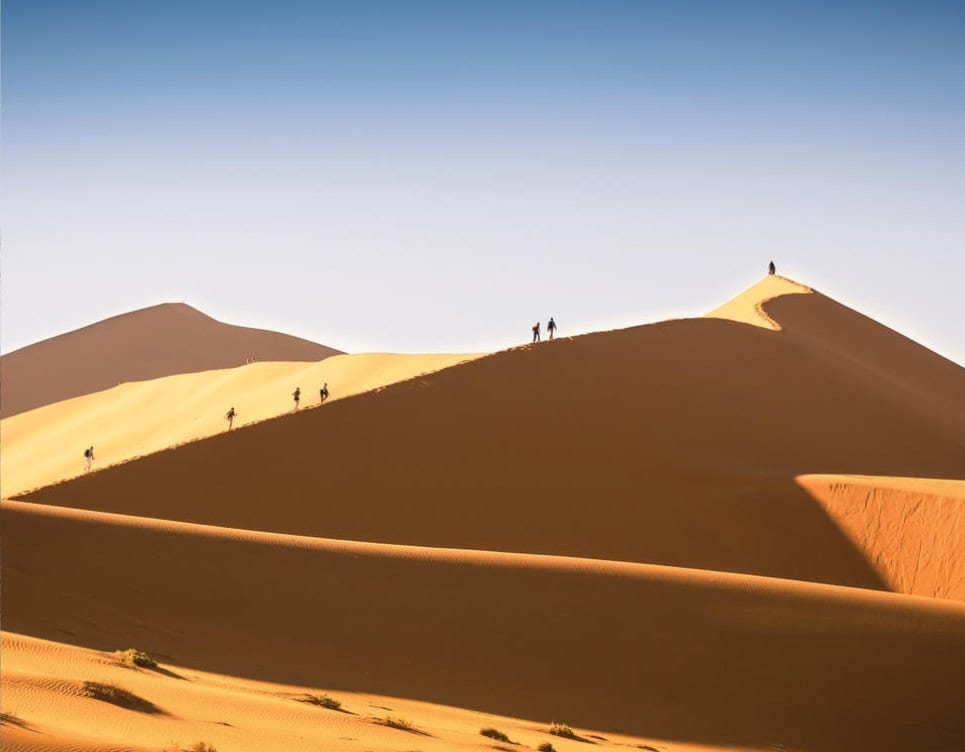
Beyond the towns, Namibia reveals its true scale and beauty. The ancient Namib Desert stretches for over 2,000 kilometres along the Atlantic, home to some of the world’s highest dunes and most surreal desert light. To the north, Etosha National Park offers one of Africa’s most unique safari environments, where vast salt pans attract an abundance of wildlife including desert-adapted elephants, lions, and giraffe.

In the south, the immense Fish River Canyon—one of the largest canyons in the world—cuts through the arid landscape in dramatic silence, while the wider Kalahari edges into Namibia’s eastern reaches, adding further depth to its desert identity.

Namibia is a destination defined by space, light, and solitude—an extraordinary wilderness experience shaped as much by what is absent as what is present.

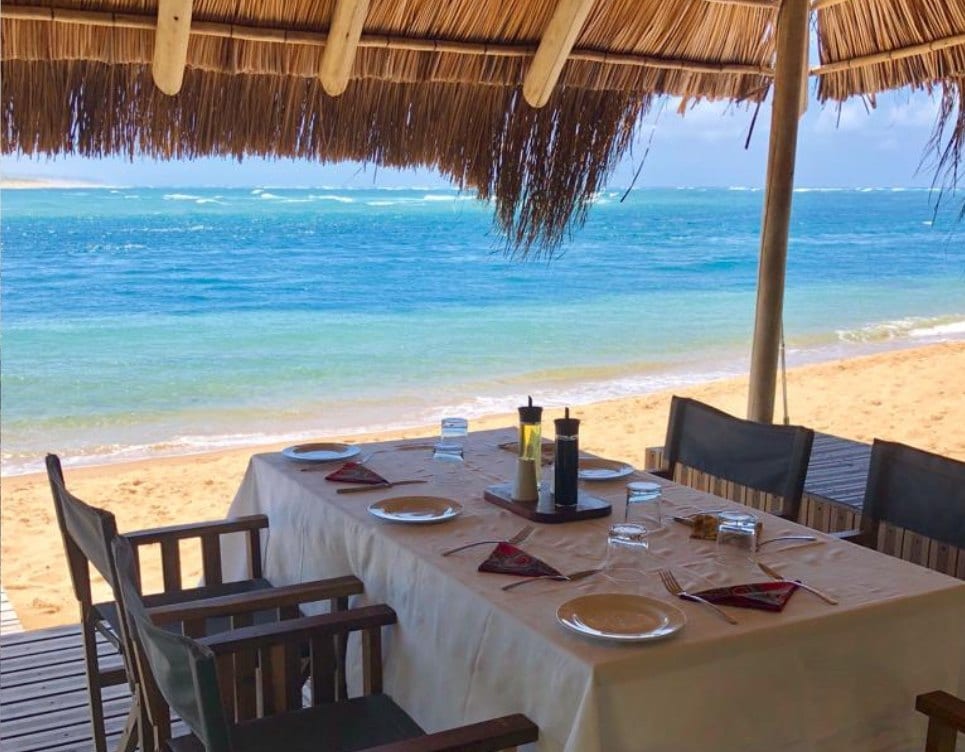
Mozambique is a tropical coastal escape defined by endless shoreline, warm Indian Ocean waters, and a sense of effortless, unspoiled beauty.

Stretching along more than 2,500 kilometres of coastline, it offers a rare blend of barefoot luxury and authentic African coastal culture. Powder-soft beaches, swaying palms, and rich marine ecosystems make it one of the continent’s most rewarding ocean destinations.

The capital Maputo is a vibrant coastal city where colonial architecture, contemporary art, music, and a thriving culinary scene come together with unmistakable energy. Further north, Inhambane retains a slower, more atmospheric rhythm, where history and coastal life blend seamlessly.

Offshore, the Bazaruto Archipelago—home to Benguerra Island—offers an exclusive island experience, known for pristine beaches, turquoise waters, and world-class diving and marine life encounters. Further cultural depth can be found on Mozambique Island, a UNESCO World Heritage Site shaped by centuries of Swahili, Arab, and Portuguese influence.

In the interior, Gorongosa National Park stands as one of Africa’s most inspiring conservation stories, where restored ecosystems now support an extraordinary diversity of wildlife.


Mozambique is a destination of contrast—ocean, culture, and wilderness—offering a relaxed yet deeply immersive African experience along one of the continent’s most beautiful coastlines.

Kenya is a land of striking contrasts, where dramatic landscapes, rich cultural heritage, and iconic wildlife experiences come together in one of Africa’s most established safari destinations.

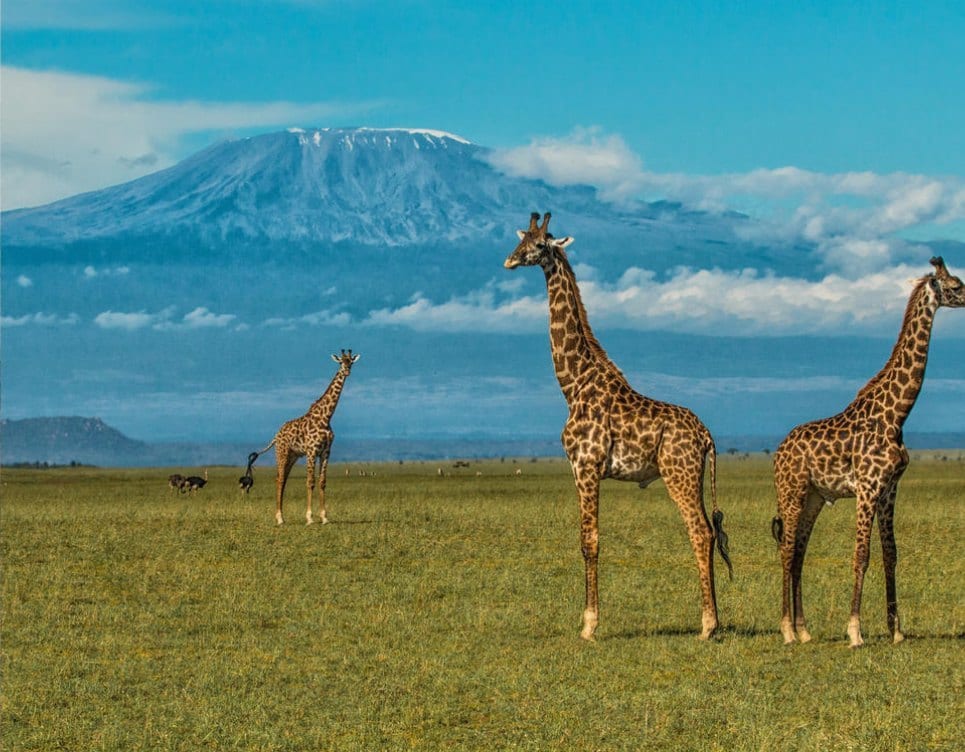
Set within the Great Rift Valley and framed by the presence of Mount Kilimanjaro on its southern horizon, the country unfolds through a tapestry of savanna plains, forested highlands, and vast protected wilderness areas teeming with wildlife.

At its heart lies the world-renowned Maasai Mara National Reserve, famed for its big cat populations and seasonal Great Migration, while Amboseli offers unforgettable views of elephants moving across open plains beneath Kilimanjaro. Across the north, Samburu’s rugged landscapes reveal a more remote and arid safari experience, rich in unique species and cultural depth.

Kenya’s cultural identity is equally diverse, shaped by more than 70 ethnic groups, including the Maasai, Samburu, Kikuyu, and coastal communities influenced by centuries of Swahili, Arab, and Indian heritage.

Along the coast, the Indian Ocean reveals a softer rhythm of travel. White-sand beaches, coral reefs, and warm turquoise waters stretch along destinations such as Diani and Lamu, offering world-class diving, sailing, and barefoot luxury by the sea.

Kenya is a destination of scale and variety—where classic safari, rich culture, and coastal escape exist in seamless contrast, creating one of Africa’s most complete and compelling journeys.

Uganda, famously described by Winston Churchill as the “Pearl of Africa”, is a country of remarkable natural diversity, where sweeping savannas, dense equatorial forests, and mist-covered mountains come together in one landscape.

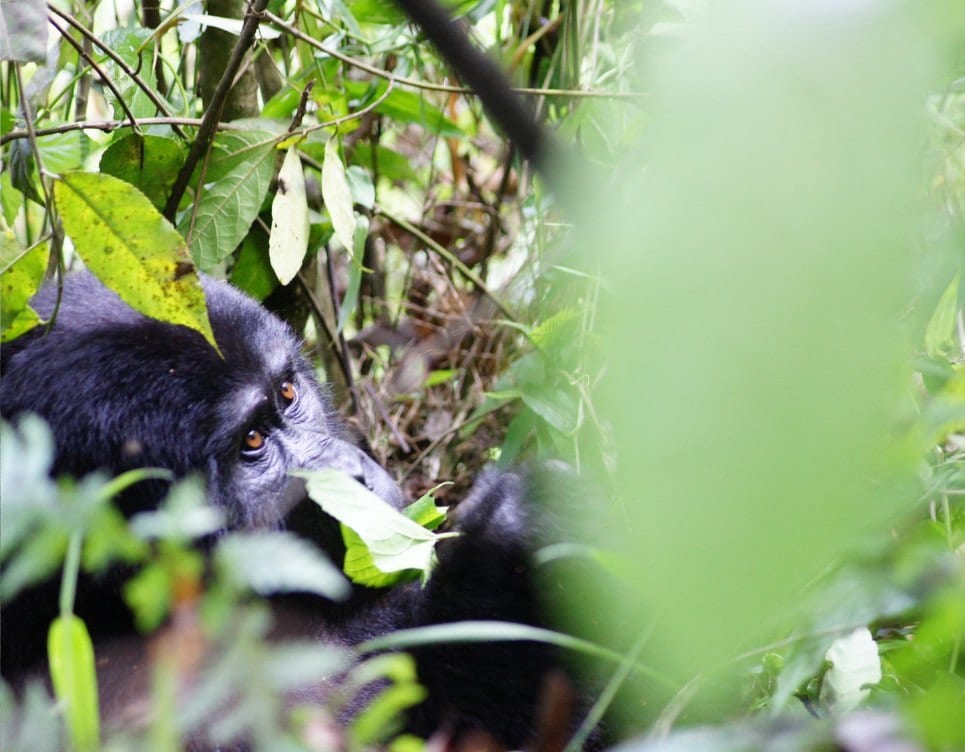
In the west, the ancient rainforest of Bwindi Impenetrable National Park shelters one of the world’s most extraordinary wildlife encounters—the endangered mountain gorilla.


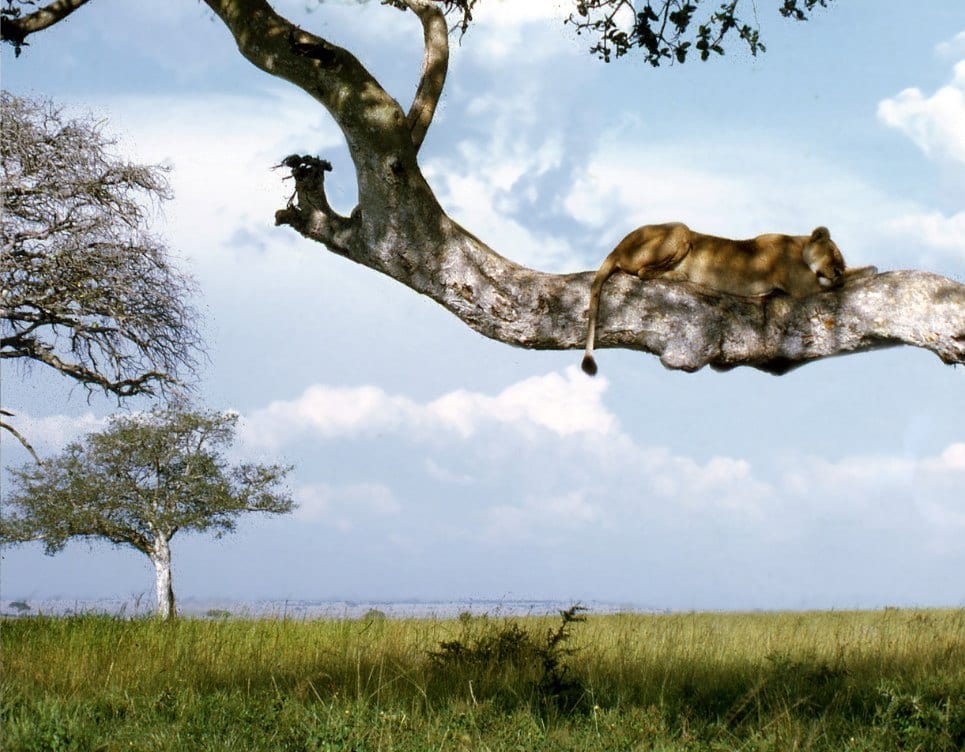
In the southwest, Queen Elizabeth National Park offers classic safari scenery, home to elephants, lions, hippos, and the famous tree-climbing lions of Ishasha, alongside vibrant birdlife along its waterways and crater lakes.

To the east, the source of the Nile at Jinja provides a different kind of wilderness experience, known for white-water rafting, kayaking, and adventure activities set against powerful river landscapes.

Uganda’s charm extends beyond its scenery. A rich cultural fabric, welcoming communities, and a lively capital in Kampala give the country a vibrant, energetic character that complements its natural beauty.

Uganda is often considered one of Africa’s most rewarding and diverse destinations—where primate trekking, classic safari, and adventure travel exist in one deeply authentic experience.

Rwanda is a country defined by transformation—now recognised as one of Africa’s most compelling and forward-looking safari destinations.

Nicknamed the “Land of a Thousand Hills”, its landscape is a striking mosaic of rolling green valleys, volcanic peaks, and dense rainforest. In the northwest, the mist-covered slopes of the Virunga Mountains rise dramatically, forming part of the ancient ecosystem shared by Volcanoes National Park, one of the world’s most important sanctuaries for the endangered mountain gorilla.

In the southwest, the ancient canopy of Nyungwe Forest National Park offers one of Africa’s oldest rainforests, home to rich primate populations, exceptional birdlife, and elevated forest trails suspended above the jungle floor.

To the east, the open plains of Akagera National Park reveal a contrasting safari landscape, where elephants, lions, giraffe, and hippo have been successfully reintroduced into a classic East African ecosystem.

Along the western border, the tranquil shores of Lake Kivu provide a calm counterpoint to the country’s wilderness areas, with volcanic views and lakeside villages offering a slower pace of travel.

Rwanda today is a destination of clarity and purpose—where conservation, community, and exceptional wilderness experiences come together in one of Africa’s most refined and evolving safari landscapes.

Tanzania is one of Africa’s most iconic safari destinations—defined by vast open plains, extraordinary wildlife movements, and a remarkable diversity of landscapes and experiences.

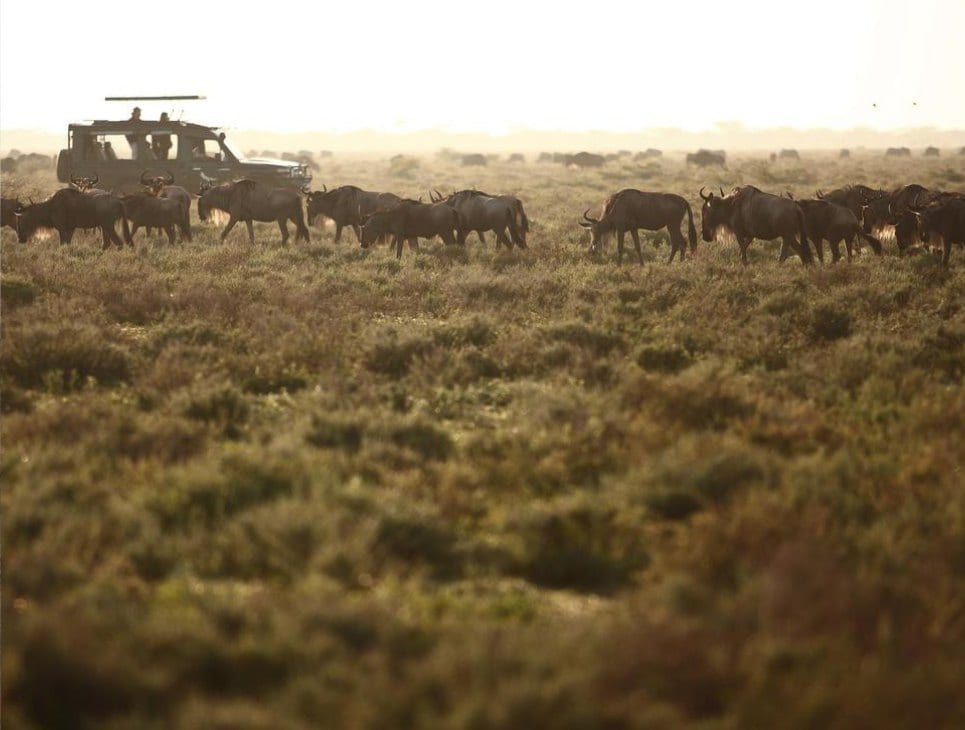
At its core lies the legendary Serengeti National Park, home to one of nature’s greatest spectacles: the annual Great Migration, where millions of wildebeest and zebra traverse endless savannah in search of fresh grazing.

To the northeast, the dramatic crater of Ngorongoro Crater forms a natural amphitheatre of wildlife, offering one of the most concentrated game viewing experiences in Africa. Rising above the plains, Mount Kilimanjaro stands as Africa’s highest peak, attracting climbers from around the world to its glaciated summit.

Along the Indian Ocean, the island of Zanzibar offers a contrasting rhythm—white-sand beaches, turquoise waters, and the historic Stone Town, where Swahili, Arab, and European influences converge in a rich cultural tapestry.

From the coral reefs of the coast to the sweeping savannahs of the interior, Tanzania is a destination of scale and contrast—offering some of the most complete and unforgettable safari and island experiences on the continent.

bottom of page